Caulk & Grout Repair
That Actually Lasts.
Failed caulk and crumbling grout let moisture in where it does not belong. We remove the old material completely, prepare the surface correctly, and apply a clean, lasting finish. Flat-rate pricing, 1-year written warranty.
What We Do
Caulk and grout failures are easy to ignore until water gets behind the tile — then the repair becomes significantly more expensive. We handle the full range of caulk and grout work in bathrooms, kitchens, and on exterior surfaces, starting with complete removal of old material before anything new goes on.
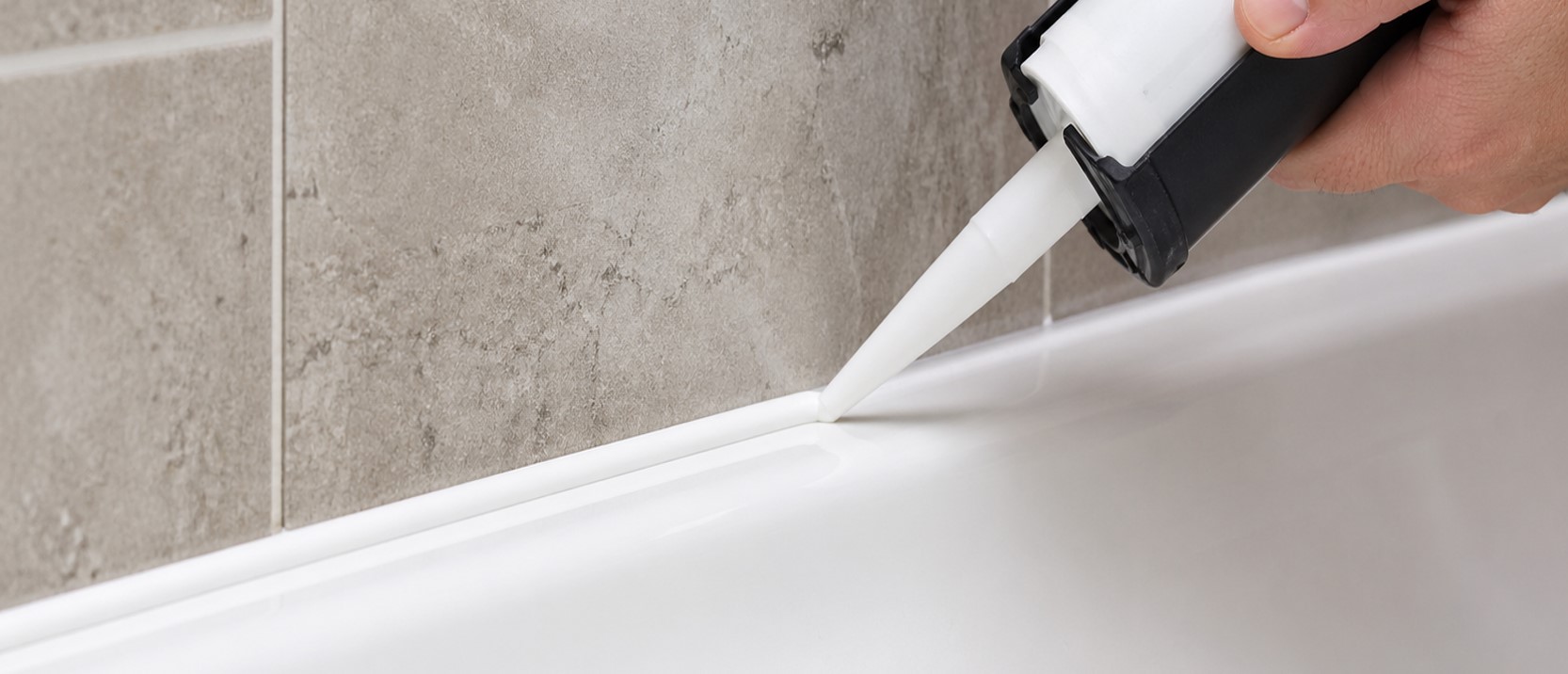
- Bathroom caulk removal & re-caulking — Tub-to-wall joints, floor-to-wall seams, and shower door tracks. We cut out and remove all old caulk, clean and dry the joint thoroughly, and apply 100% silicone caulk that bonds properly and resists mold.
- Shower & tub surround restoration — Full perimeter re-caulking of the shower or tub surround. If the grout joints between tiles are also failing, we address both in the same visit so the entire wet area is sealed correctly.
- Grout repair & recoloring — Cracked, crumbling, or missing grout is removed and replaced. Stained or discolored grout that is otherwise structurally sound can be recolored with a grout stain, giving the tile a clean, uniform appearance without the cost of full regrouting.
- Kitchen caulk & backsplash sealing — Countertop-to-backsplash joints, sink perimeters, and the gap between backsplash tile and adjacent surfaces. Kitchen caulk takes constant exposure to water, heat, and cleaning products — we use products rated for the environment.
- Exterior caulk & weatherproofing — Window frames, door frames, siding joints, and trim where caulk has cracked or pulled away. Exterior caulk failures allow water intrusion and air infiltration, both of which affect comfort and energy costs. We use elastomeric exterior caulk that moves with the structure and holds up to DFW weather conditions.
Why Caulk and Grout Failures Are a Bigger Problem Than They Look
How We Do Caulk & Grout Right
The difference between caulk that lasts two years and caulk that lasts ten is almost entirely preparation. Here is exactly what we do on every job.
-
1. Assess the joint and substrate
We inspect the caulk and grout condition, check for soft or hollow tile that indicates substrate damage, look for mold or moisture staining, and identify any underlying issues that need to be resolved before re-caulking. If the damage goes deeper than the surface, we tell you honestly before work begins.
-
2. Remove all old material completely
Every bit of old caulk and failing grout is cut out, scraped, and vacuumed. We do not caulk over existing caulk — it is the single most common reason new caulk fails prematurely. A clean, bare substrate is the only foundation for a lasting repair.
-
3. Clean, dry, and treat the surface
The joint is cleaned to remove soap scum, mineral deposits, and mildew, then dried thoroughly. Any surface mold is treated before the new material goes on. Applying caulk to a damp or contaminated surface prevents proper adhesion — this step is not skipped.
-
4. Apply the correct product for the location
Wet areas get 100% silicone caulk. Exterior joints get elastomeric caulk rated for UV and temperature movement. Dry interior trim gets paintable latex. Tile joints get the correct grout type — sanded for joints wider than 1/8 inch, unsanded for narrower joints. The right product in the right place is what makes the repair last.
-
5. Tool, clean up, and cure
Caulk beads are tooled smooth for a clean, professional line. Grout haze is cleaned from tile faces. We advise on the specific cure time for the product used — typically 48 to 72 hours for silicone in wet areas — and make sure you know exactly when the area can be used again.
The ServiceBeaver Standard
Complete Removal, Every Time
We never apply new caulk over old. Full removal of the existing material is non-negotiable — it is the only way to ensure proper adhesion and a repair that holds.
Right Product for the Location
100% silicone for wet areas. Elastomeric caulk for exterior. The correct grout type for the joint width. We match the material to the environment so it performs as intended.
Flat-Rate Pricing
You know the full cost before we start. No hourly billing, no surprises on the invoice. The price quoted is the price you pay.
1-Year Written Warranty
Every caulk and grout job is backed by a full one-year written warranty. If something is not right, we return and make it right at no additional cost.
Caulk & Grout Questions We Hear Often
How do I know if my caulk or grout needs replacing?
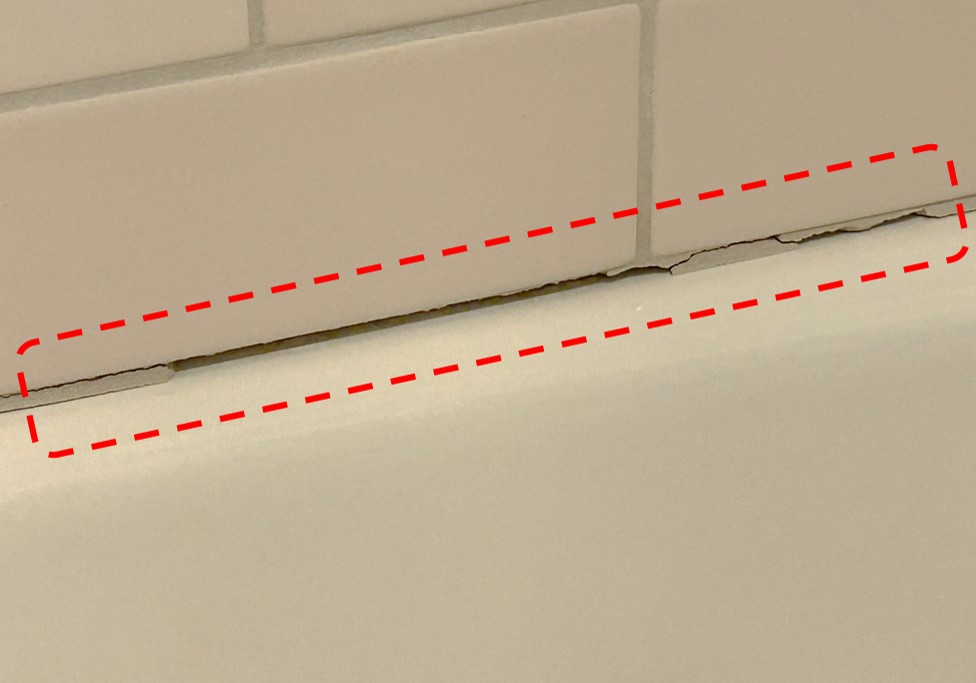
Caulk needs replacing when it pulls away from the surface, cracks, crumbles, turns yellow or brown, shows black mold that does not clean off, or feels soft and spongy instead of firm. Grout needs attention when it is cracked, crumbling, missing in sections, heavily stained and unresponsive to cleaning, or when you notice moisture seeping behind the tile wall. Either failure lets water migrate into the substrate, which leads to mold, rot, and costly structural repairs. Catching it early is always cheaper than waiting.
Why does new caulk fail so quickly sometimes?
The most common cause is applying new caulk over old caulk without removing it first. Old caulk provides a poor bonding surface — new caulk applied on top may look fine for a few months but will peel and separate much faster than a properly prepared joint. Other causes include using the wrong caulk type for the location, applying to a damp or dirty surface, and not allowing adequate cure time before water exposure. We always do complete removal before re-caulking.
Can you regrout tile without replacing the tile?
Yes, in most cases. If the tile itself is intact and the substrate behind it is sound, grout can be removed and new grout applied without disturbing the tile. This is significantly less expensive than full tile replacement and produces a clean, fresh result. If the grout has failed because the substrate is wet or damaged, or because tiles are cracked or loose, those underlying issues need to be addressed first — we will tell you honestly if that is the case before starting.
What type of caulk should be used in showers and tubs?
100% silicone caulk is the right choice for showers, tubs, and any area with continuous water exposure. Silicone bonds to non-porous surfaces like tile and glass, remains flexible as the structure expands and contracts, and resists mold and mildew far better than latex or acrylic caulk. Latex and acrylic caulks are appropriate for dry locations like window trim and baseboards, but break down quickly in wet environments. We match the caulk type to the specific location — never a one-size-fits-all approach.
How long does new caulk need to cure before the shower or tub can be used?
Most 100% silicone caulks require 24 hours to skin over and 48 to 72 hours to fully cure before exposure to water. Rushing this step is one of the most common reasons caulk fails prematurely — water contact before the caulk has cured prevents proper bonding and can cause the joint to remain soft, peel, or trap moisture. We always advise on the specific cure time for the product used and schedule accordingly so the job is done right without pressure to rush.
Caulk & Grout Repair Across the DFW Metroplex
ServiceBeaver provides professional caulk and grout repair to homeowners across the Dallas–Fort Worth–Arlington metroplex. Whether you are in Keller, Southlake, Arlington, or any of our 34 service communities, we are ready to help.
Same flat-rate pricing. Same 1-year written warranty. Same standard of quality — wherever you are in DFW.
Communities We Serve
- Keller
- Southlake
- Westlake
- Northlake
- Colleyville
- Coppell
- Watauga
- Irving
- Trophy Club
- Roanoke
- Argyle
- Lewisville
- The Colony
- Grapevine
- Arlington
- Dallas
- Plano
- Denton
- Fort Worth
- Haslet
- North Richland Hills
- Richland Hills
- Haltom City
- Flower Mound
- Bedford
- Hurst
- Carrollton
- Las Colinas
- Corinth
- Garland
- Frisco
- McKinney
- Grand Prairie
- Saginaw
Request Caulk & Grout Service
Tell us about the area. We’ll confirm your appointment promptly.
Have a few repairs on your list? We’re happy to tackle them all in one visit.
Ready to seal it right? Call 817-944-4990 or request service online.
Request Service